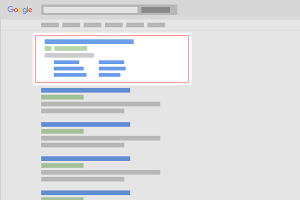
Paid advertising via PPC (Pay-Per-Click) is the fastest way to get results for your business. In general, the goal of paid advertising is to pay $0.10 for every $1.00 earned (or a similar ratio more specific to your product/service). PPC can be endlessly optimized to make the most of your investment which is why having a professional take care of your PPC makes a lot of sense.
Networks Include:Google (Search, Display, and YouTube), Facebook, Instagram, Bing, and LinkedIn
Expert PPC Advertising: Targeted Campaigns and Measurable ROIBenefits of PPC
Your message is specifically targeted, based on keywords that people type into search engines or interests based on their online behavior.
Not only is your ad only shown to a targeted audience, you only pay for those who further indicate an interest by clicking on your ad.
You can easily create as many ad variations as you like, allowing you to specifically tailor your message to niche audiences.
Online analytics track everything from ad clicks to phone calls to website visits. You’ll know exactly which ads converted into desirable actions and we can even attempt to correlate offline sales with online interest origins.
Explore Our PPC Advertising Case Studies & Results
Community Development Council Durham
Testimonials
“Exceptional Results!! We grew our business by 20% the first year and the growth continues. I would not hesitate to recommend TDMP to any type of business new or old. Thank you to the team at TDMP!”
Michael Guzzo, Bella Notte Ristorante
“Very Personable. The website got done very quickly and they were very professional throughout. Each step of the process was completed on time and there were no issues at all. I recommend these guys to anyone who needs a website for their business.”
Brian O'Connor, K9 Central Pet Resort and Spa
“Always There When You Need Them. The Digital Marketing People really do a good job of taking care of us. These folks are very helpful and friendly and their service is invaluable. I cannot recommend them highly enough!”
Michelle Chamberlain, Great Oshawa Chamber of Commerce
“The team met with me on several occasions to get a clear vision of what my needs were for my website and then communicated with me regularly throughout the process to ensure the project was coming together as I had hoped. Very friendly, professional, and efficient!”
budget, advertising, advertising campaign, google ads, search engine optimization, online advertising, microsoft advertising, ppc digital marketing, brand awareness, email marketing, target audience, search engine results page, search engine, quality score, landing page, digital marketing, google search, contextual advertising, return on investment, auction, marketing, keyword research, email, microsoft bing, marketing strategy, cost per action, search engine marketing, ppc ads, ads, paid search, ppc advertising, bing ads, cost per mille, relevance, native advertising, lead generation, analytics, website, content marketing, organic search results, visibility, affiliate marketing, research, customer, social media marketing, brand, targeted advertising, cost, web analytics, data, artificial intelligence, automation, lead, revenue, display ads, search ads, video ads, google ads ppc, ppc advertising platforms, conversion rate optimization, microsoft, url, machine learning, social media, search advertising, competition, price, keyword, cost per click, seo, ppc campaign, ppc campaigns, roi, paid, digital marketing strategy, click, business, results, ppc, conversions, ppc marketing, audience, web development, technology, attention, web design, advertising agency, mobile app development, reputation, sales, investment, target market, information, retail, company, experience, advertising management, google shopping, mobile app, mediaforce, ppc management, pay per click, seo services, ppc services, toronto ppc agency, toronto ppc management, qualified leads, ads ppc, google ads management, google ads services, ppc agency, google shopping ads, google display network, google ppc, ppc ad agency, google adwords ppc, ppc advertising management, pay for click advertising, ppc advertising company, ppc ad management, ppc advertising agencies, google ppc price, reputation management, expert, copywriting, strategy, consumer, web traffic, fee, message, user experience, wordpress, legal technology, edmonton, ontario, finance, digital marketing services, pay, digital marketing agency, increase, marketing agency, online, services, qualified, compare, amazon ppc advertising
Frequently Asked Questions
What is PPC in digital marketing?
PPC in digital marketing refers to pay-per-click advertising, a model where advertisers pay a fee each time their ad is clicked. It allows businesses to drive targeted traffic to their websites and maximize their return on investment.
What does PPC stand for in digital marketing?
PPC stands for Pay-Per-Click in digital marketing. It is an online advertising model where advertisers pay a fee each time their ad is clicked, allowing for targeted campaigns and measurable results.
What is PPC campaign in digital marketing?
A PPC campaign in digital marketing is a strategy where advertisers pay a fee each time their ad is clicked. This approach allows businesses to drive targeted traffic to their websites and achieve measurable results quickly.
How does PPC improve online visibility?
PPC advertising enhances online visibility by placing your ads prominently on search engine results pages and relevant websites. This targeted approach ensures that your business reaches potential customers actively searching for your products or services, driving more traffic and brand awareness.
What are the costs associated with PPC?
The costs associated with PPC include the amount you pay per click on your ads, which can vary based on competition and targeting, as well as additional fees for campaign management and optimization services provided by the agency.
How to measure PPC campaign success?
Measuring PPC campaign success involves analyzing key performance indicators (KPIs) such as click-through rates (CTR), conversion rates, cost per acquisition (CPA), and return on ad spend (ROAS) to assess overall effectiveness and ROI.
What platforms support PPC advertising?
Various platforms support PPC advertising, including Google Ads, Bing Ads, Facebook Ads, LinkedIn Ads, and Twitter Ads. Each platform offers unique targeting options to help businesses reach their specific audience effectively.
How to optimize a PPC campaign?
Optimizing a PPC campaign involves regularly analyzing performance metrics, refining keyword targeting, adjusting bids, and testing ad copy to improve click-through rates and conversion rates, ultimately maximizing ROI.
What are common PPC advertising mistakes?
Common PPC advertising mistakes include targeting too broad an audience, neglecting keyword research, failing to optimize ad copy, not utilizing negative keywords, and overlooking conversion tracking. These errors can significantly impact campaign effectiveness and ROI.
How does PPC target specific audiences?
PPC targets specific audiences by utilizing data-driven strategies, including demographic targeting, keyword selection, and behavioral insights. This allows advertisers to reach potential customers based on their interests, location, and online behavior, ensuring more effective ad placements.
What is the role of keywords in PPC?
The role of keywords in PPC is crucial, as they determine which search queries trigger your ads. By selecting the right keywords, you can target your audience effectively, improve ad relevance, and maximize your return on investment.
How to create effective PPC ad copy?
Creating effective PPC ad copy involves crafting compelling headlines, clear calls to action, and relevant keywords that resonate with your target audience, ultimately driving clicks and conversions.
What metrics are crucial for PPC analysis?
The crucial metrics for PPC analysis include click-through rate (CTR), conversion rate, cost per click (CPC), and return on ad spend (ROAS). These metrics help evaluate campaign performance and optimize advertising strategies for better ROI.
How does PPC compare to SEO?
PPC and SEO are two distinct digital marketing strategies. PPC delivers immediate traffic through paid ads, while SEO focuses on organic search results that take longer to achieve but can provide sustainable, long-term visibility.
What industries benefit most from PPC?
The industries that benefit most from PPC include e-commerce, travel, finance, and local services. These sectors often see significant returns due to targeted advertising and the ability to reach specific customer demographics effectively.
How to set a PPC budget effectively?
Setting a PPC budget effectively involves determining your overall marketing goals, analyzing past performance data, and adjusting for seasonal trends. Allocate funds based on target audience reach and expected ROI to maximize campaign effectiveness.
What tools assist in PPC management?
Tools that assist in PPC management include Google Ads, Bing Ads, and various analytics platforms like Google Analytics. These tools help optimize campaigns, track performance, and analyze data to maximize ROI effectively.
How to conduct PPC competitor analysis?
Conducting PPC competitor analysis involves researching your competitors' ad strategies, keywords, and landing pages. Use tools like SEMrush or SpyFu to gather data, analyze their performance, and identify opportunities to enhance your own PPC campaigns.
What are the benefits of remarketing in PPC?
The benefits of remarketing in PPC include increased brand visibility, improved conversion rates, and a higher return on investment. By targeting users who have previously interacted with your website, you can effectively re-engage potential customers and drive them back to complete their purchases.
How to choose the right PPC keywords?
Choosing the right PPC keywords involves researching relevant terms that your target audience uses, analyzing competition, and considering search intent to ensure your ads reach the most interested users effectively.
What is the impact of ad extensions in PPC?
The impact of ad extensions in PPC is significant as they enhance ad visibility, improve click-through rates, and provide additional information to potential customers, ultimately leading to higher engagement and better overall campaign performance.
How to handle PPC ad disapprovals?
Handling PPC ad disapprovals involves reviewing the rejection reason, making necessary adjustments to the ad content or targeting, and then resubmitting it for approval. Always ensure compliance with platform guidelines to minimize future disapprovals.
What is the average ROI for PPC campaigns?
The average ROI for PPC campaigns typically ranges from $2 to $8 for every dollar spent, depending on industry and campaign effectiveness. This highlights the potential for significant returns when campaigns are strategically managed.
How to use A/B testing in PPC?
Using A/B testing in PPC involves creating two variations of an ad to compare their performance. By analyzing metrics like click-through rates and conversions, you can identify which version resonates better with your audience and optimize your campaigns accordingly.
What are the latest trends in PPC advertising?
The latest trends in PPC advertising include increased use of automation and AI for campaign optimization, a focus on audience targeting through data-driven insights, and the rise of video and mobile ads to enhance engagement and conversion rates.
How to integrate PPC with other marketing strategies?
Integrating PPC with other marketing strategies involves aligning your paid campaigns with SEO, content marketing, and social media efforts. This synergy enhances overall visibility, optimizes budget allocation, and drives cohesive messaging across channels for maximum impact.
What is the importance of landing pages in PPC?
The importance of landing pages in PPC lies in their ability to convert visitors into customers. Well-designed landing pages enhance user experience, improve ad relevance, and ultimately boost conversion rates, maximizing the effectiveness of your pay-per-click campaigns.
How to adjust PPC bids for better performance?
Adjusting PPC bids for better performance involves regularly analyzing campaign data to identify high-performing keywords and adjusting bids accordingly. Increase bids on successful keywords to maximize visibility and reduce bids on underperforming ones to optimize your budget effectively.
What are the best practices for PPC targeting?
The best practices for PPC targeting include defining specific audience segments, using relevant keywords, employing negative keywords to filter out unwanted traffic, and continuously analyzing performance data to refine campaigns for optimal results.
How to analyze PPC campaign reports effectively?
Analyzing PPC campaign reports effectively involves focusing on key metrics such as click-through rates, conversion rates, and cost per acquisition. Regularly review these metrics to assess performance and make data-driven adjustments for optimal results.
ppc advertising services, digital ppc, ppc digital marketing, pay per click services, ppc in digital marketing, elliot lake pay per click ppc, pay per click marketing services, ppc marketing services, pay per click advertising services, pay per click company, ppc payment, oshawa pay per click, ppc digital marketing agency