Frequently Asked Questions
What is technical SEO in digital marketing?
Technical SEO in digital marketing refers to the optimization of a website's infrastructure to improve its visibility and performance in search engine results. This includes enhancing site speed, mobile-friendliness, indexing, and ensuring proper crawling by search engines.
What is SEO strategy in digital marketing?
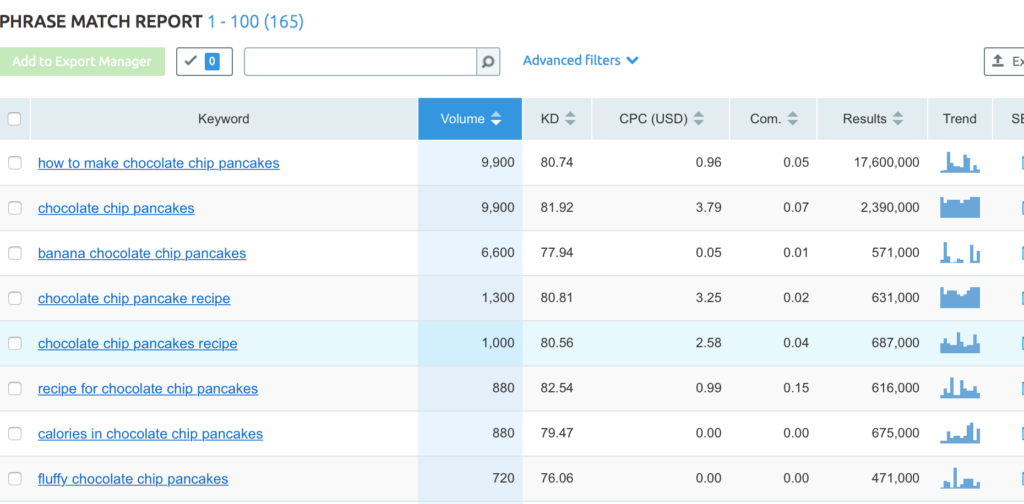
An SEO strategy in digital marketing is a comprehensive plan designed to improve a website's visibility in search engine results. It involves keyword research, on-page optimization, content creation, and link building to enhance organic traffic and rankings.
Why is SEO important in digital marketing?
SEO is crucial in digital marketing because it enhances online visibility, drives organic traffic, and improves website rankings on search engines. This ultimately leads to increased brand awareness and higher conversion rates for businesses.
What is SEO tools in digital marketing?
SEO tools in digital marketing are software applications that help analyze, track, and optimize a website's performance in search engines. They provide insights on keywords, backlinks, and site health to improve search engine rankings effectively.
How SEO helps in digital marketing?
SEO is essential in digital marketing as it improves website visibility, drives organic traffic, and enhances user experience, ultimately leading to higher conversion rates and better engagement with potential customers.
How SEO works in digital marketing?
SEO works in digital marketing by optimizing a website's content and structure to improve its visibility on search engines, driving organic traffic and enhancing online presence through targeted keywords, quality backlinks, and user-friendly experiences.
What is local SEO in digital marketing?
Local SEO in digital marketing focuses on optimizing a business's online presence to attract customers in a specific geographical area, enhancing visibility in local search results and improving rankings on platforms like Google Maps.
How does SEO work in digital marketing?
SEO works in digital marketing by optimizing a website's content and structure to improve its visibility in search engine results. This involves keyword research, on-page optimization, and building backlinks, ultimately driving organic traffic and enhancing online presence.
Why is SEO important in a digital marketing strategy?
SEO is crucial in a digital marketing strategy because it enhances online visibility, drives organic traffic, and improves search engine rankings, ultimately leading to increased brand awareness and higher conversion rates for businesses.
What are the key components of technical SEO?
The key components of technical SEO include website speed, mobile-friendliness, secure connections (HTTPS), proper indexing, structured data, and an XML sitemap. These elements ensure that search engines can effectively crawl and understand your site.
How to develop an effective SEO strategy?
Developing an effective SEO strategy involves conducting thorough keyword research, optimizing on-page elements, creating high-quality content, building backlinks, and continuously analyzing performance to adapt and improve.
What metrics measure SEO success in marketing?
The metrics that measure SEO success in marketing include organic traffic, keyword rankings, bounce rate, conversion rate, and backlinks. These indicators help assess the effectiveness of SEO strategies and their impact on online visibility and business growth.
Which tools enhance SEO performance effectively?
The tools that enhance SEO performance effectively include Google Analytics for tracking website traffic, SEMrush for keyword research, and Moz for on-page optimization insights. These tools help identify opportunities and improve search engine rankings.
How does SEO improve website traffic?
SEO improves website traffic by optimizing your site for search engines, making it easier for potential customers to find you. This includes using relevant keywords, enhancing site structure, and improving content quality, which collectively boosts your search rankings and visibility.
What are common local SEO strategies?
Common local SEO strategies include optimizing your Google My Business listing, using local keywords, acquiring local backlinks, ensuring consistent NAP (Name, Address, Phone) information, and encouraging customer reviews to enhance visibility in local search results.
How can SEO increase online visibility?
SEO increases online visibility by optimizing website content and structure, improving search engine rankings, and attracting more organic traffic. This leads to greater exposure, helping businesses reach their target audience effectively.
What role does content play in SEO?
The role of content in SEO is crucial, as high-quality, relevant content helps search engines understand your website's purpose, improves user engagement, and drives organic traffic, ultimately enhancing search rankings.
How to optimize for local search results?
Optimizing for local search results involves ensuring your business is listed accurately on Google My Business, using local keywords, and obtaining positive customer reviews. Additionally, maintaining consistent NAP (Name, Address, Phone) information across all online platforms is crucial.
What are the latest trends in SEO?
The latest trends in SEO include a focus on user experience, the integration of AI-driven tools, voice search optimization, and mobile-first indexing, all aimed at enhancing search visibility and engagement.
How to conduct an SEO audit?
Conducting an SEO audit involves analyzing your website’s performance, identifying technical issues, evaluating on-page and off-page SEO factors, and assessing keyword effectiveness. This process helps pinpoint areas for improvement to enhance your search engine rankings.
What is the impact of backlinks on SEO?
The impact of backlinks on SEO is significant, as they enhance a website's authority and credibility. Quality backlinks from reputable sites improve search engine rankings, driving more organic traffic and increasing online visibility.
How to choose the right SEO tools?
Choosing the right SEO tools involves assessing your specific needs, budget, and the features offered by various tools. Look for user-friendly interfaces, comprehensive analytics, and reliable customer support to ensure effective optimization for your website.
What are the benefits of local SEO?
The benefits of local SEO are significant for businesses targeting local customers. It enhances visibility in local search results, drives more foot traffic to physical locations, and increases engagement with the community, ultimately leading to higher conversion rates.
How to measure SEO effectiveness in campaigns?
Measuring SEO effectiveness in campaigns involves tracking key metrics such as organic traffic, keyword rankings, conversion rates, and engagement levels. Analyzing these data points helps assess the impact of SEO strategies on overall business goals.
What are the challenges of implementing SEO?
The challenges of implementing SEO include staying updated with constantly changing algorithms, competition for keywords, the need for quality content, and ensuring technical optimization. These factors can complicate achieving and maintaining high search engine rankings.
How does mobile optimization affect SEO?
Mobile optimization significantly impacts SEO by improving user experience and engagement on mobile devices, which search engines prioritize. A well-optimized mobile site can lead to higher rankings in search results, ultimately enhancing visibility and traffic.
What is the relationship between SEO and PPC?
The relationship between SEO and PPC lies in their complementary nature for driving traffic. While SEO focuses on organic search results, PPC provides immediate visibility through paid ads, together enhancing overall online presence and effectiveness in digital marketing strategies.
How to stay updated with SEO changes?
Staying updated with SEO changes is essential for maintaining online visibility. Follow industry blogs, subscribe to newsletters, and participate in webinars to keep abreast of the latest trends and algorithm updates.
What are the best practices for on-page SEO?
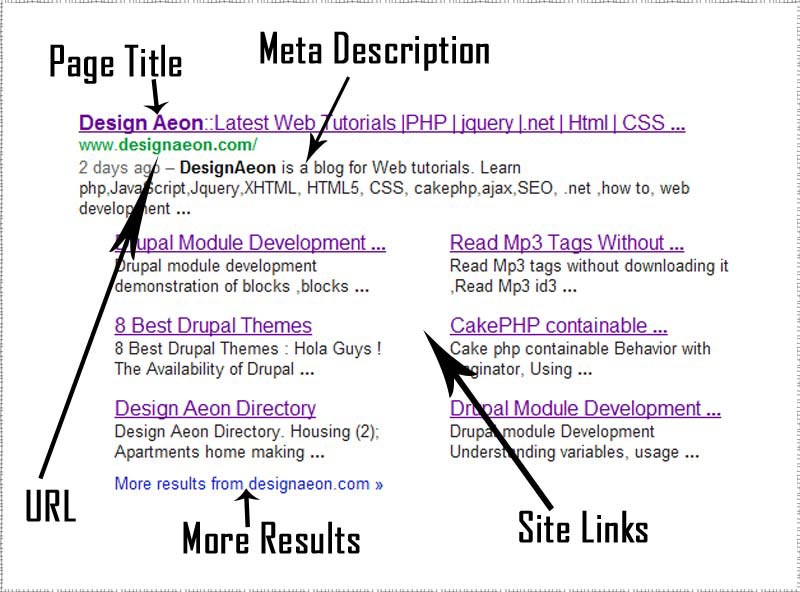
The best practices for on-page SEO include optimizing title tags, using relevant keywords naturally throughout your content, ensuring mobile-friendliness, improving page load speed, and creating engaging, high-quality content that provides value to users.
How to integrate SEO with content marketing?
Integrating SEO with content marketing involves creating high-quality, keyword-optimized content that addresses user intent while promoting your brand. This synergy enhances visibility in search engines, driving organic traffic and improving overall online presence.