
Leveraging SEO Reporting Tools for Actionable Analytics
In the fast-moving world of digital marketing, knowing how your website performs isn’t optional — it’s essential. SEO reporting tools give you the visibility to spot opportunities, fix problems, and measure results. This article walks through top SEO reporting platforms, what they do best, and how they can help improve your site’s performance. With so much data available, teams often struggle to turn numbers into decisions. The right analytics platform makes complex data clear and actionable. We’ll cover leading tools, the features that matter, and how to choose the software that fits your goals.
Which SEO reporting tools deliver the clearest insights?
SEO reporting tools are fundamental for businesses that want to boost online visibility and track performance. They consolidate metrics that reveal strengths and gaps in your SEO approach. Popular choices include Google Analytics, SEMrush, and Ahrefs — each brings distinct strengths depending on your needs.
- Google Analytics: A free, powerful platform for tracking website traffic, user behavior, and conversions.
- SEMrush: An all-in-one SEO suite that handles keyword research, site audits, backlink checks, and competitive analysis.
- Ahrefs: Widely used for deep backlink analysis, keyword tracking, and comprehensive site audits — a go-to for many SEO pros.
Beyond raw tracking, these tools generate reports that guide strategic decisions and help you prioritize action.
How do SEO analytics platforms boost website performance?

SEO analytics platforms improve performance by turning behavior and traffic signals into clear recommendations. They monitor metrics like organic sessions, bounce rate, and conversion rate so you can spot what’s working and what isn’t. For example, rising organic traffic usually means your keyword targeting is on track; a high bounce rate can point to a landing page that needs attention.
When you analyze these metrics together, you can prioritize fixes that raise engagement and conversions. Optimizing content and page UX based on real user data typically leads to better retention and more sales.
Recent research also shows that a data-driven SEO approach can materially improve e-commerce outcomes.
Data-Driven SEO for E-commerce Sales Performance
This study presents a data-driven approach to Search Engine Optimization (SEO) strategy optimization aimed at enhancing MSME sales performance on leading Indonesian e-commerce platforms, including Tokopedia and Shopee. The dataset, comprising over 1,000 transaction entries, includes key SEO-related indicators such as keyword rank, website traffic, backlinks, social media engagement score, advertising spend, and monthly sales.
Data-Driven SEO Strategy Optimization to Enhance MSME Sales Performance on Indonesian E-Commerce Platforms, T Sangsawang, 2025
Which features should you prioritize in SEO reporting software?
When choosing SEO reporting software, focus on features that make data easy to use and act on. Key capabilities help you surface the right insights quickly and scale as your work grows. Here are the essentials:
Those capabilities ensure the platform serves your needs now and adapts as your reporting requirements evolve.
How can SEO performance dashboards simplify data analysis?
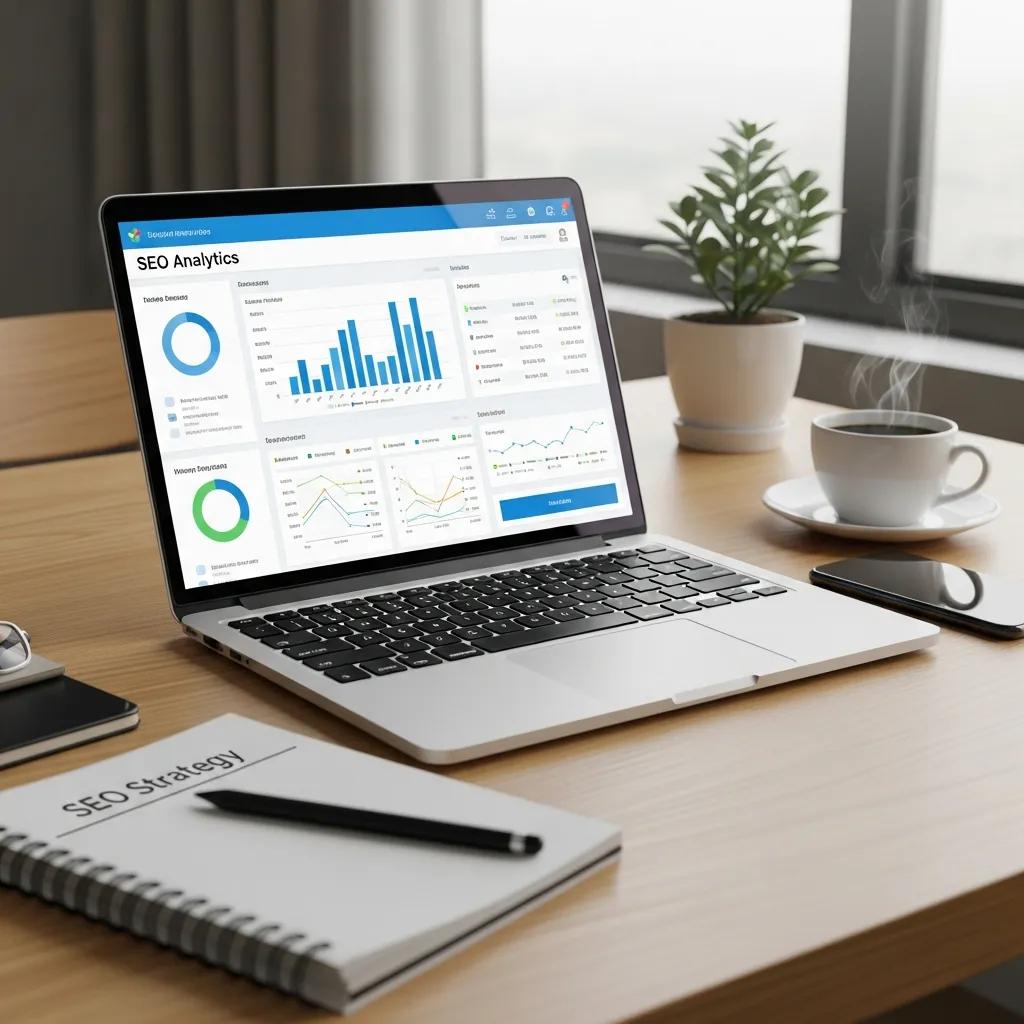
Performance dashboards compress complex datasets into visual stories — charts, trend lines, and scorecards that make performance easy to understand at a glance. They can pull data from multiple sources so you get a consolidated view of your SEO efforts.
Used strategically, dashboards are central to improving visibility and guiding ongoing SEO work in a competitive digital landscape.
SEO Implementation & Analytics Dashboards for Digital Marketing
One of the key strategies in this transformation is SEO, which plays a pivotal role in improving website rankings on search engine result pages, thereby attracting potential customers organically. This research employs a qualitative approach using data collection methods such as direct observation, in-depth interviews, and documentation. Data sources include digital marketing personnel, analytics dashboards, and supporting literature.
Enhancing hospitality business visibility through strategic search engine optimization (SEO) implementation in digital marketing platforms, IGK Gede, 2025
- Visual representation of data: Charts and graphs reveal trends and make patterns obvious.
- Ease of understanding metrics: Simplified views help stakeholders grasp results without deep technical knowledge.
- Quick access to insights: One dashboard gives your team the immediate data needed to act.
As datasets grow more complex, advanced visualization — including AI-assisted dashboards — becomes increasingly valuable for enterprise-level reporting and analysis.
AI-Powered Data Visualization for Enterprise Reporting
The increasing complexity and volume of data within modern enterprises have significantly elevated the importance of advanced, intuitive, and adaptive visualization tools for reporting and analytics. This study systematically reviews and conducts a meta-analysis of existing research on artificial intelligence (AI)-powered data visualization dashboards, with a specific emphasis on their design, interactivity, and analytical effectiveness within enterprise contexts.
A REVIEW OF AI-POWERED DATA VISUALIZATION IN ENTERPRISE REPORTING: DASHBOARD DESIGN AND INTERACTIVE ANALYTICS, S Zaman, 2022
What metrics matter most in SEO analysis tools?
To understand SEO performance, track a small set of high-impact metrics. The most informative indicators include:
- Organic traffic: The number of visitors coming from search engines.
- Bounce rate: The share of visitors who leave after viewing a single page.
- Keyword rankings: How your site ranks for target keywords.
Together, these metrics reveal how effectively your content attracts and engages search users, and where to prioritize improvements.
How do dashboards deliver actionable SEO insights?
Dashboards turn raw numbers into clear signals by surfacing trends, anomalies, and top-performing keywords or pages. If a keyword is driving strong traffic, a dashboard makes it obvious where to invest more content or internal links.
They also flag low-performing pages for targeted fixes. By setting benchmarks and tracking progress, dashboards help teams make steady, data-driven improvements to SEO strategy.
Why use SEO data analysis tools to track success?
SEO data tools are essential for measuring progress and proving impact. They enable continuous monitoring, long-term trend analysis, and competitive benchmarking — all necessary for sustained growth.
- Long-term tracking: Monitor SEO trends over time to see what’s truly working.
- Comprehensive data analysis: Deep dives into user behavior and engagement inform smarter choices.
- Competitive advantage: Knowing how you stack up against competitors guides strategic priorities.
How do these tools measure SEO performance effectively?
SEO analysis platforms collect data from search engines, analytics tools, and social channels to build a complete performance picture. Advanced algorithms then process that data quickly, surfacing insights that would take far longer to spot manually. That efficiency lets teams focus on strategy and execution instead of data wrangling.
What are the benefits of using SEO analytics platforms regularly?
Using analytics platforms consistently brings clear benefits:
- Continuous improvement: Ongoing measurement helps refine tactics and raise performance.
- Adaptation to changes: Stay responsive to algorithm updates and market shifts.
- Enhanced strategy formulation: Data-driven insights improve planning and resource allocation.
Making these tools part of your routine keeps your SEO aligned with current best practices and business goals.
How to choose the right SEO reporting software for your needs?
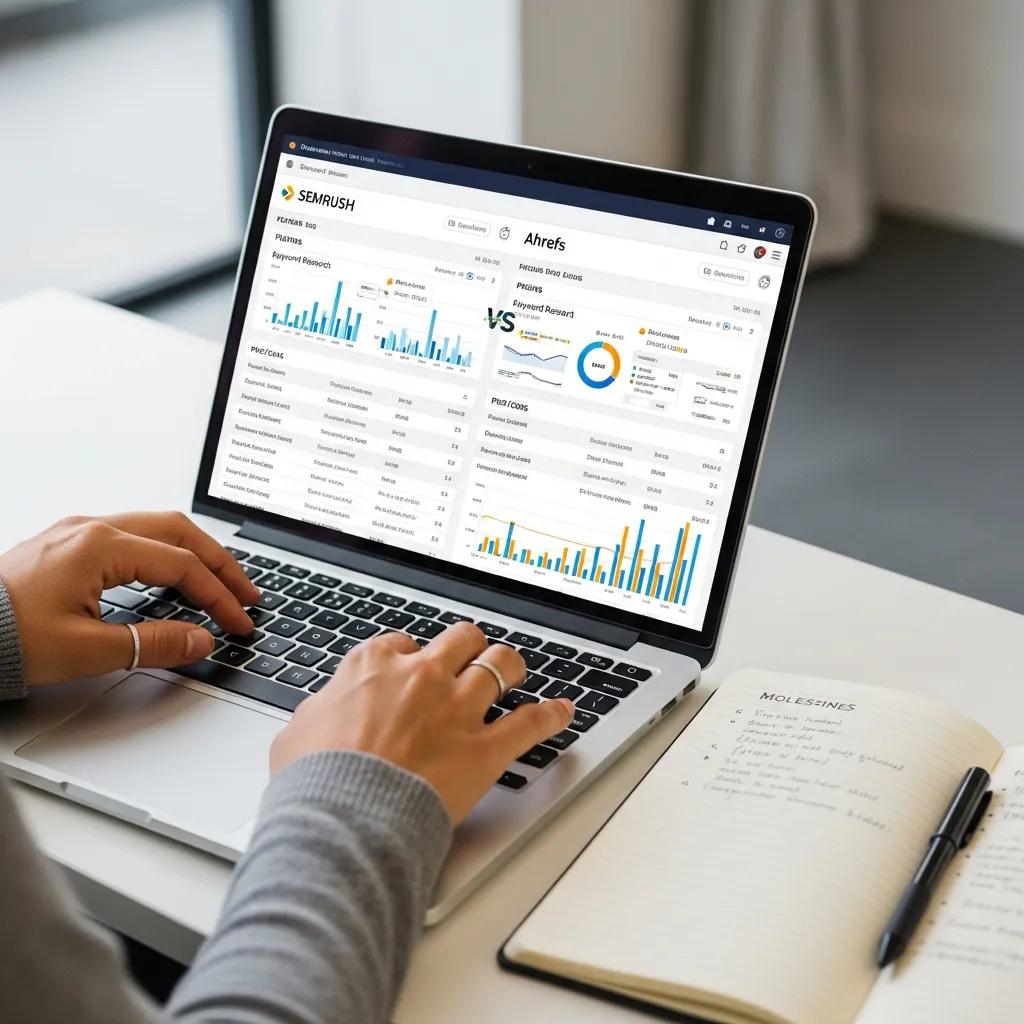
Picking the right SEO reporting software starts with a clear assessment of your goals. Match features and price to the metrics you need to track and the team who will use the tool.
- Assessing business needs: Clarify which KPIs matter most and who will use the reports.
- Comparing features: Look for the functionality that aligns with your measurement plan.
- Evaluating costs: Weigh subscription costs against expected ROI and the time saved.
What factors influence the choice of SEO reporting tools?
Several practical factors should guide your decision:
- Budget constraints: Set a realistic budget for tools and ongoing access.
- User experience: Choose platforms that your team can learn and adopt quickly.
- Integration capabilities: Ensure the tool connects with other systems you use.
Considering these elements narrows the field to tools that fit your operations and deliver value.
How do pricing and usability affect SEO tool selection?
Pricing and usability matter because a pricey tool that’s unused offers no value, while a cheap tool that’s hard to use can waste time. Many vendors offer tiered plans and free trials — take advantage of those to test usability and measure fit before committing.