Frequently Asked Questions
What is PPC online marketing?
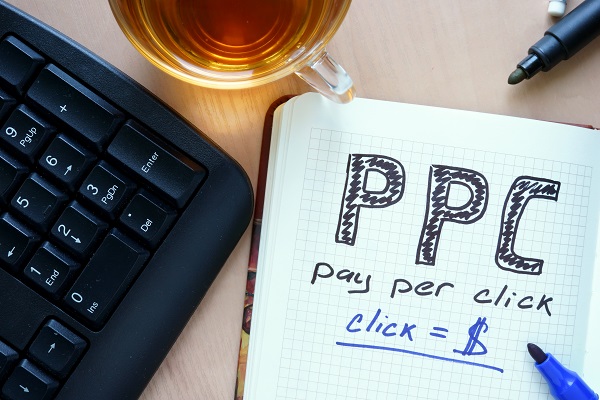
PPC online marketing is a digital advertising model where businesses pay a fee each time their ad is clicked. This strategy helps increase visibility on search engines and social media platforms, driving targeted traffic to websites effectively.
What is PPC in digital marketing?
PPC in digital marketing refers to Pay-Per-Click advertising, a model where advertisers pay a fee each time their ad is clicked. This strategy helps businesses increase visibility and drive targeted traffic to their websites through paid search results.
What is PPC campaign in digital marketing?
A PPC campaign in digital marketing is a paid advertising strategy where businesses bid on keywords to display their ads in search engine results or on social media platforms, driving targeted traffic to their websites and increasing visibility.
What is PPC digital marketing?
PPC digital marketing refers to a paid advertising model where businesses pay for each click on their ads, aiming to increase online visibility and drive targeted traffic to their websites.
What does PPC stand for in digital marketing?
PPC stands for Pay-Per-Click, a digital marketing strategy where advertisers pay a fee each time their ad is clicked. It’s an effective way to drive traffic and increase visibility for businesses online.
How does PPC enhance online visibility?
PPC enhances online visibility by placing your ads at the top of search engine results, ensuring they are seen by potential customers actively searching for relevant products or services. This targeted approach drives traffic and increases brand awareness effectively.
What are the key components of PPC?
The key components of PPC include keyword selection, ad creation, landing page optimization, bidding strategies, and performance tracking. Each element plays a crucial role in ensuring effective campaign management and maximizing return on investment.
How to measure PPC campaign success?
Measuring PPC campaign success involves analyzing key metrics such as click-through rate (CTR), conversion rate, return on ad spend (ROAS), and cost per acquisition (CPA) to evaluate performance and optimize strategies effectively.
What platforms support PPC advertising?
The platforms that support PPC advertising include Google Ads, Bing Ads, Facebook Ads, LinkedIn Ads, and Twitter Ads. These platforms allow businesses to create targeted ad campaigns to reach their desired audience effectively.
How to optimize a PPC campaign?
Optimizing a PPC campaign involves regularly analyzing performance metrics, refining keyword selection, adjusting bids, and testing ad copy to improve click-through rates and conversions. Continuously monitoring and tweaking these elements ensures maximum ROI.
What budget is needed for PPC?
The budget needed for PPC varies based on campaign goals, competition, and target audience. Typically, businesses should allocate a minimum of $500 to $1,000 per month to see meaningful results, but higher budgets can yield better visibility and performance.
How to target audiences with PPC?
Targeting audiences with PPC involves defining your ideal customer profile, utilizing demographic and geographic filters, and selecting relevant keywords. Additionally, leveraging remarketing strategies can help re-engage previous visitors, ensuring your ads reach the right people effectively.
What are common PPC mistakes to avoid?
Common PPC mistakes to avoid include neglecting keyword research, failing to track conversions, setting unrealistic budgets, and not regularly optimizing campaigns. These errors can significantly impact your campaign's effectiveness and ROI.
How does PPC compare to SEO?
PPC and SEO are both essential digital marketing strategies, but they differ in approach and results. PPC offers immediate visibility through paid ads, while SEO focuses on organic search rankings that take longer to achieve but can provide lasting benefits.
What metrics are crucial for PPC?
The crucial metrics for PPC include click-through rate (CTR), conversion rate, cost per click (CPC), and return on ad spend (ROAS). These metrics help assess campaign performance and optimize advertising strategies for better results.
How to choose keywords for PPC?
Choosing keywords for PPC involves identifying relevant terms that potential customers use to search for your products or services. Focus on a mix of high-traffic and long-tail keywords to effectively target your audience and optimize campaign performance.
What is the role of ad copy in PPC?
The role of ad copy in PPC is crucial as it directly influences click-through rates and conversions. Effective ad copy captures attention, conveys value, and prompts users to take action, making it essential for successful paid advertising campaigns.
How to set PPC campaign goals?
Setting PPC campaign goals involves defining clear, measurable objectives that align with your overall business strategy. Focus on key metrics such as increasing website traffic, generating leads, or boosting sales to guide your campaign effectively.
What tools assist in PPC management?
The tools that assist in PPC management include Google Ads for campaign creation and tracking, SEMrush for keyword research, and AdEspresso for ad optimization. These tools help streamline the management process and enhance campaign performance.
How to analyze PPC performance data?
Analyzing PPC performance data involves reviewing key metrics such as click-through rates, conversion rates, and return on ad spend. Utilize analytics tools to track these metrics, identify trends, and make data-driven adjustments to optimize your campaigns.
What is the average ROI for PPC?
The average ROI for PPC is typically around $2 for every $1 spent, although this can vary significantly based on industry, competition, and campaign optimization. Effective strategies can lead to even higher returns.
How to create effective PPC landing pages?
Creating effective PPC landing pages involves designing focused, user-friendly pages that align with your ad's message, feature clear calls to action, and utilize relevant keywords to enhance conversion rates.
What industries benefit most from PPC?
The industries that benefit most from PPC include e-commerce, travel, healthcare, and finance, as these sectors often require immediate visibility and lead generation to drive sales and conversions effectively.
How to adjust bids in PPC campaigns?
Adjusting bids in PPC campaigns involves modifying your maximum cost-per-click (CPC) based on performance metrics. Monitor keyword performance and adjust bids higher for effective keywords or lower for underperforming ones to optimize your campaign budget.
What is the impact of ad extensions in PPC?
The impact of ad extensions in PPC is significant as they enhance ad visibility, improve click-through rates, and provide additional information to potential customers, ultimately leading to higher conversion rates and better campaign performance.
How to conduct competitor analysis for PPC?
Conducting competitor analysis for PPC involves researching your competitors' ad strategies, keywords, and target audiences. Use tools like SEMrush or SpyFu to analyze their ad copy, bidding strategies, and landing pages, helping you refine your own PPC campaigns.
What are the benefits of remarketing in PPC?
The benefits of remarketing in PPC include increased brand visibility, improved conversion rates, and enhanced targeting of potential customers who have previously interacted with your website, ultimately leading to higher ROI on your advertising spend.
How to use A/B testing in PPC?
Using A/B testing in PPC involves creating two variations of an ad to compare performance. Test different elements like headlines, images, or calls-to-action, then analyze the results to determine which version drives better engagement and conversions.
What are the latest trends in PPC?
The latest trends in PPC include increased automation through machine learning, a focus on audience targeting and personalization, and the growing importance of video ads across platforms. Additionally, advertisers are leveraging data analytics to optimize campaigns in real-time.
How to integrate PPC with other marketing strategies?
Integrating PPC with other marketing strategies involves aligning your paid campaigns with SEO, content marketing, and social media efforts. This synergy enhances visibility, maximizes reach, and ensures consistent messaging across platforms, driving better overall results.