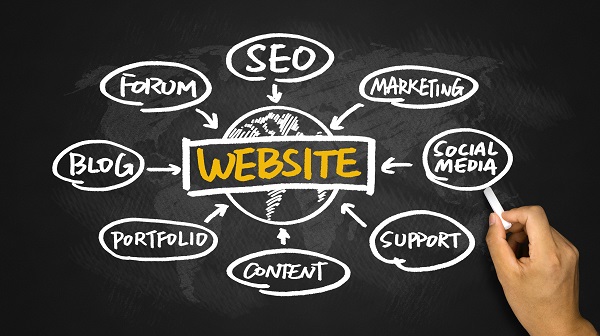
According to the New York Technology Council, people are very quick to judge and establish trust when they visit a website for the first time. In less than 10 seconds, a website visitor takes in everything (the layout, graphics and colours) on your website to establish whether they want to spend more time browsing your website and reading your content.
Getting people to purchase something online requires trust. Even if you are not selling products on your website, getting them to give you their contact information or pick up the phone and call your business all requires a certain level of trust, which is why you need to invest in ‘trust assets’. Here are a few things you can add to your site to establish trust:
Professional Web Design
Your web design needs to be crisp, aesthetically pleasing and easy to navigate. A big part of establishing trust is focusing on the type of user experience you are giving people when they visit your website for the first time. Make sure it’s easy for them to find the information they need.
Testimonials
People want to know that other people have done business with you in the past and that they were happy with the products and services they received. Ask past clients for a review and add them to your website. You can also consider including rating tools, reviews and comments on product pages if you have an e-commerce website.
Company Information
Some businesses are inclined to only include a contact form on their website, but you will be seen as more trustworthy if you include a physical address, phone number and email address.
Eric Poulin is the Chief Technology Officer at The Digital Marketing People, a results-driven digital marketing agency helping businesses grow their online presence through data-informed strategy. With deep expertise spanning SEO, web technology, digital infrastructure, and performance marketing, Eric bridges the gap between technical execution and marketing results. He writes on topics including search engine optimization, web development, and digital strategy — sharing insights grounded in real-world client experience across diverse industries.
information, email, credibility, brand, reputation, target audience, social proof, accessibility, data, trust, testimonial, web design, advertising, logo, design, marketing, organization, digital marketing, usability, research, confidence, feedback, search engine optimization, perception, search engine, language, experience, user experience, google ads, customer, expert, jargon, customer experience, url, button, behavior, price, content strategy, technology, icon, friction, navigation, image, web presence, website, reason, law, customer service, value proposition, content marketing, wordpress, landing page, knowledge, hierarchy, trustpilot, home page, social media, understanding, money, ssl, company, buyers, trustworthiness, websites, improve, industry, customers, web pages, web, visitor, website design, proof, badges, users, trust badges, business, revenue, table of contents, email address, skepticism
Frequently Asked Questions
None - No questions provided for evaluation?
The absence of questions indicates that there are currently no inquiries for evaluation. If you have specific concerns or topics in mind regarding digital marketing or trust factors, please share them for tailored assistance.
What are key trust factors for websites?
Key trust factors for websites include professional web design, clear company information, customer testimonials, secure connections (HTTPS), and visible contact details. These elements enhance credibility, foster user trust, and ultimately improve engagement and conversion rates.
How can design enhance website trustworthiness?
The design of a website enhances trustworthiness by creating a professional appearance, ensuring easy navigation, and incorporating consistent branding, which collectively instill confidence in visitors and encourage engagement.
What role do testimonials play in trust?
Testimonials play a crucial role in building trust. They provide social proof, demonstrating that others have had positive experiences with a product or service, which can significantly enhance credibility and encourage potential customers to engage.
How does company information build credibility?
Company information builds credibility by providing transparency and trustworthiness. When visitors can easily access details about your business, such as location, contact information, and team members, they feel more confident in engaging with your services.
What trust elements improve user engagement?
Trust elements that improve user engagement include professional web design, clear contact information, customer testimonials, and transparent company policies. These factors foster credibility and encourage visitors to interact more with your website.
How can I establish trust on my site?
Establishing trust on your site involves showcasing professional web design, displaying customer testimonials, and providing clear company information. These elements enhance credibility and encourage user engagement, ultimately improving your site's effectiveness.
What are common trust issues for websites?
Common trust issues for websites include poor design, lack of contact information, absence of customer testimonials, and unclear privacy policies. These factors can diminish user confidence and negatively impact engagement and conversions.
How does professional design affect trust levels?
Professional design significantly affects trust levels by creating a polished and credible appearance. A well-designed website fosters user confidence, encourages engagement, and enhances the overall perception of your brand's reliability and professionalism.
What strategies enhance website trust factors?
Strategies that enhance website trust factors include professional web design, showcasing testimonials, providing clear company information, ensuring secure browsing with HTTPS, and maintaining an active presence on social media to foster credibility and user engagement.